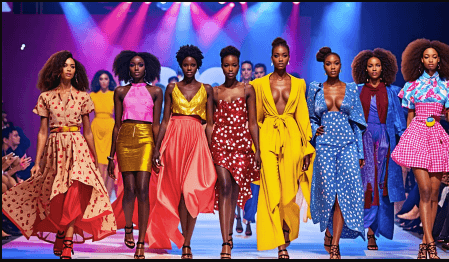
Fashion today foregrounds a spectrum of identities, cultures, and stories. The scene shifts as media, designers, and street style quietly widen who counts as influential. Wardrobe becomes a tool for personal meaning, with inclusive fits and adaptive options shaping daily life. Ethical production and accountability ground trend-making in responsibility. A shared canvas emerges, guided by lived experience. The challenge remains: how will these voices shape what comes next?
What Diversity in Fashion Really Means
Diversity in fashion means more than a varied palette of models or a wider range of sizes on runways; it reflects a broader spectrum of identities, cultures, and experiences shaping what is considered stylish. In this view, diversity metrics measure representation across roles and media, while inclusive sizing ensures accessibility, signaling a industry-wide commitment to authentic, shared creativity beyond trends, power dynamics, and exclusivity.
Celebrities, Designers, and Street Style Shaping Inclusion
Celebrities, designers, and street style collectively shape inclusion by translating visibility into everyday relevance: A-list appearances, runway innovations, and curbside ensembles converge to expand who is seen as a fashion authority and why. This dynamic pairs celebrity casting with diverse narratives, while runway casting experiments broaden representational norms, inviting audiences to redefine taste, value, and belonging through expressive, free-form style choices.
Practical Ways to Build Inclusive Wardrobes
Practical ways to build inclusive wardrobes center on thoughtful choices that honor a spectrum of identities, sizes, and cultures without sacrificing personal style. The approach emphasizes functional design, fabric comfort, and versatile silhouettes, allowing experimentation without constraint. Inclusive sizing and adaptive clothing options expand access, while mindful shopping supports ethical production and lasting value. This reflective stance invites freedom through expressive, practical wardrobe decisions.
Measuring Impact: Voices, Representation, and Beyond
How should fashion measure its reach beyond aesthetics? The field adopts inclusive metrics to assess impact, not only sales or surface appeal. Voices, representation, and narratives inform evaluation, transforming datasets into living context. This approach values diverse perspectives, tracks representation narratives, and clarifies who benefits. Measurements become catalysts for responsibility, authenticity, and expanded opportunity, shaping practices that honor all identities.
Frequently Asked Questions
How Can Fashion Brands Involve Local Artisans From Underrepresented Communities?
Brands can involve local artisans by prioritizing local handicrafts through fair collaboration, transparent sourcing, and capacity-building programs that honor traditional methods, ensuring community empowerment. The approach is observant, inclusive, expressive, and supports creative freedom for underrepresented designers.
What Roles Do Beauty Standards Play in Inclusive Fashion?
Beauty normalization guides brands toward inclusive sizing, while diverse body representation shapes campaigns; beauty standards thus influence perception, accessibility, and aspiration, inviting courage, scrutiny, and collaboration in fashion’s evolving landscape.
Can Inclusive Fashion Be Affordable for All Income Levels?
Inclusive fashion can be affordable for many; inclusive pricing and scalable mass production, paired with sustainable fabrics and affordable luxury, enable wider access while maintaining quality, though pricing gaps persist. Observant industry shifts suggest progress toward broader accessibility.
See also: AI Bias and Fairness Explained
How Do Fashion Schools Diversify Curricula Effectively?
One survey shows 62% of students seek more inclusive curricula; fashion schools diversify by implementing diversity auditing and curriculum adaptation, enabling adaptable programs, faculty training, and collaborative partnerships, fostering observant, inclusive, expressive learning for students who desire freedom.
What Safeguards Prevent Tokenism in Inclusive Campaigns?
They note tokenism risks and emphasize authentic representation as safeguards, explaining that rigorous stakeholder involvement, transparent criteria, continual impact assessment, and diverse leadership reduce superficial campaigns while preserving freedom to express genuine identities within inclusive fashion narratives.
Conclusion
Fashion’s tapestry frays and fibers anew when diverse voices are stitched into every seam. Observers note how representation shifts what counts as stylish, while accessibility threads widen the loom for all bodies. The runway becomes a collective mirror, reflecting lived experiences rather than a single silhouette. A single image can illuminate a chorus; a chorus amplifies a single image. Through measured impact and shared accountability, fashion evolves—coloring the world with inclusive, expressive, enduring beauty.