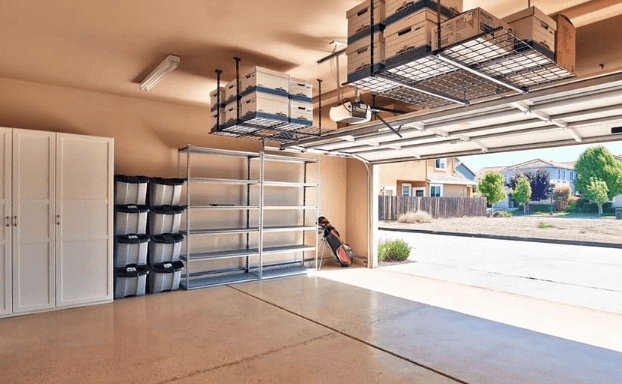
Garage storage cabinets transform clutter into clearly defined spaces, boosting tool accessibility and safety. Modular, laminate, and metal options offer flexible, durable choices. Smart layouts create garage zones aligned with activities, keeping frequently used items within reach while preserving clear walkways. Budget-conscious decisions, thoughtful installation, and easy maintenance help spaces stay usable over time. A zone-based approach enables future reconfiguration, reducing waste and supporting efficient workflows—for those who want a practical plan that adapts to changing needs.
What Garage Storage Cabinets Do for You
Garage storage cabinets organize and secure tools, supplies, and equipment, transforming clutter into clearly defined spaces. They simplify daily routines by revealing what exists, where it belongs, and how to reach it. This clarity enhances garage organization and boosts tool accessibility, reducing search time. For freedom lovers, organized spaces support efficient projects, safer handling, and a confident, autonomous workflow.
Choose Your Cabinet Style: Modular, Laminate, and Metal
Cabinet style directly shapes how storage works in a garage: modular, laminate, and metal each offer distinct advantages for organization, durability, and budget.
Modular systems emphasize modular aesthetics, enabling flexible reconfiguration as needs evolve.
Laminate options focus on clean surfaces and laminate durability, resisting wear while keeping costs reasonable.
Metal cabinets deliver rugged longevity for heavy gear and high-traffic spaces, yet weigh decisions.
Smart Layouts for Every Garage Zone
Smart layouts optimize each garage zone by aligning storage features with activity, traffic, and tool access. The approach emphasizes storage optimization through deliberate space zoning, placing frequently used items within easy reach while preserving open pathways. Zone-based plans reduce clutter, improve safety, and encourage organized workflows. Clear delineation supports flexible use, future reconfiguration, and personal freedom in workspace design.
Budget, Installation, and Maintenance Essentials
With the plan for organized zones established, attention turns to practical considerations that enable reliable storage and ongoing usability.
Budget, installation, and maintenance become interlinked steps. Budget optimization directs material choices, tool needs, and supplier timing to prevent waste.
A concise maintenance checklist supports longevity, safety, and ease of use, ensuring cabinets stay functional without sacrificing freedom or workflow.
Frequently Asked Questions
How Do I Measure Garage Ceiling Height for Cabinets?
Measuring garage ceiling height involves calculating the vertical space from floor to ceiling, ensuring proper clearance for cabinets. It requires precise measurements, noting obstacles, and considering ceiling brackets to secure units without interference.
Do Cabinets Resist Garage Fumes and Solvents?
“Even a foolproof plan”—the answer: cabinets resistance varies; some are made for fumes, others not. They may withstand solvent compatibility if labeled. Choose corrosion-resistant materials; ensure proper ventilation, seals, and manufacturer guidance for solvent exposure.
Can Cabinets Be Mounted on Uneven Floors?
Yes, cabinets can be mounted on uneven floors with precautions. They use uneven_floor mounting and floor_slope adjustments to align bases, secure wall anchors, and level feet, ensuring stability while preserving accessibility and freedom of movement.
Are There Lightweight, Portable Cabinet Options?
Lightweight portability exists in compact, modular units, enabling cabinet mobility across spaces. These options emphasize easy handling, minimal installation, and flexible configurations, appealing to individuals seeking freedom to reorganize as needs shift, without heavy, permanent fixtures.
See also: AI Bias and Fairness Explained
What Safety Features Should I Look for in Cabinets?
One in five injuries occurs due to unsafe storage, prompting attention to safety features. Cabinets should emphasize security features and material durability, resisting impacts and corrosion, while maintaining accessible design for a freedom-loving user seeking reliable, robust organization.
Conclusion
A third-person conclusion highlights the impact of organized spaces: modular, laminate, and metal cabinets transform clutter into efficient workflows. By zone-designing, garages gain safer workflows and easier tool access. An eye-catching stat for depth: well-planned garage systems can boost usable space by up to 20–30%, unlocking hidden storage without expanding footprint. The takeaway is clear: thoughtful layouts, durable materials, and easy maintenance enable flexible, future-ready storage that adapts to any project.