Modern businesses rely on dependable IT infrastructure to keep operations running smoothly. From enterprise data centers to cloud environments and large-scale system upgrades, memory plays a vital role in maintaining speed, stability, and overall performance. As organizations continue expanding their digital capabilities, sourcing quality RAM in larger quantities has become a key priority.
Choosing the right Bulk RAM Supply partner is about more than simply purchasing components. It involves finding a supplier that offers consistent product quality, broad compatibility, reliable inventory, and knowledgeable support. Companies such as Ram Exchange understand that businesses need dependable memory solutions that fit both current requirements and future growth plans. Making the right sourcing decision helps reduce downtime, improve operational efficiency, and simplify long-term IT management.
Why Bulk Memory Procurement Matters
Businesses rarely upgrade just one machine at a time. Many organizations manage hundreds or even thousands of systems across multiple locations. Purchasing memory individually can create unnecessary complexity and inconsistent hardware configurations. Working with an experienced supplier allows businesses to streamline procurement while maintaining consistency across their infrastructure.
Common organizations that benefit from bulk memory sourcing include:
- Data centers
- Educational institutions
- Healthcare organizations
- Government departments
- Managed IT service providers
- Enterprise businesses
- Computer system builders
Reliable sourcing supports smoother deployments and easier hardware management across every stage of growth.
See also: Fuel Flow Sensor: Accurate Fuel Monitoring for Improved Efficiency and Performance
Growing Demand for Enterprise Memory Solutions
Artificial intelligence, virtualization, cloud computing, and advanced business applications continue increasing the demand for higher memory capacity.
Modern workloads often require:
- Faster application performance
- Better multitasking capabilities
- Improved server efficiency
- Increased virtualization capacity
- Greater database performance
- Enhanced system responsiveness
As technology evolves, organizations must ensure their hardware remains capable of supporting changing business requirements.
Characteristics of a Reliable RAM Supplier
Selecting a supplier involves more than comparing available inventory. Businesses should evaluate several important factors before making procurement decisions.
Extensive Product Availability
A dependable supplier should offer memory modules compatible with various platforms, including desktops, laptops, servers, and enterprise storage systems. A broad inventory helps businesses source multiple products through one trusted provider.
Genuine Hardware
Quality assurance is essential when purchasing memory components.
Reliable suppliers provide authentic products that meet manufacturer specifications and undergo thorough quality verification before distribution.
This reduces compatibility issues while improving long-term system stability.
Technical Knowledge
Memory compatibility can become complex when supporting multiple hardware generations.
Experienced suppliers help customers identify suitable upgrades based on:
- Server models
- Motherboard specifications
- Memory capacity requirements
- Performance objectives
- Enterprise compatibility
Why Compatibility Should Never Be Overlooked
Not every memory module works with every system. Businesses should verify compatibility before placing larger orders to avoid deployment challenges later.
Important considerations include:
Memory Generation
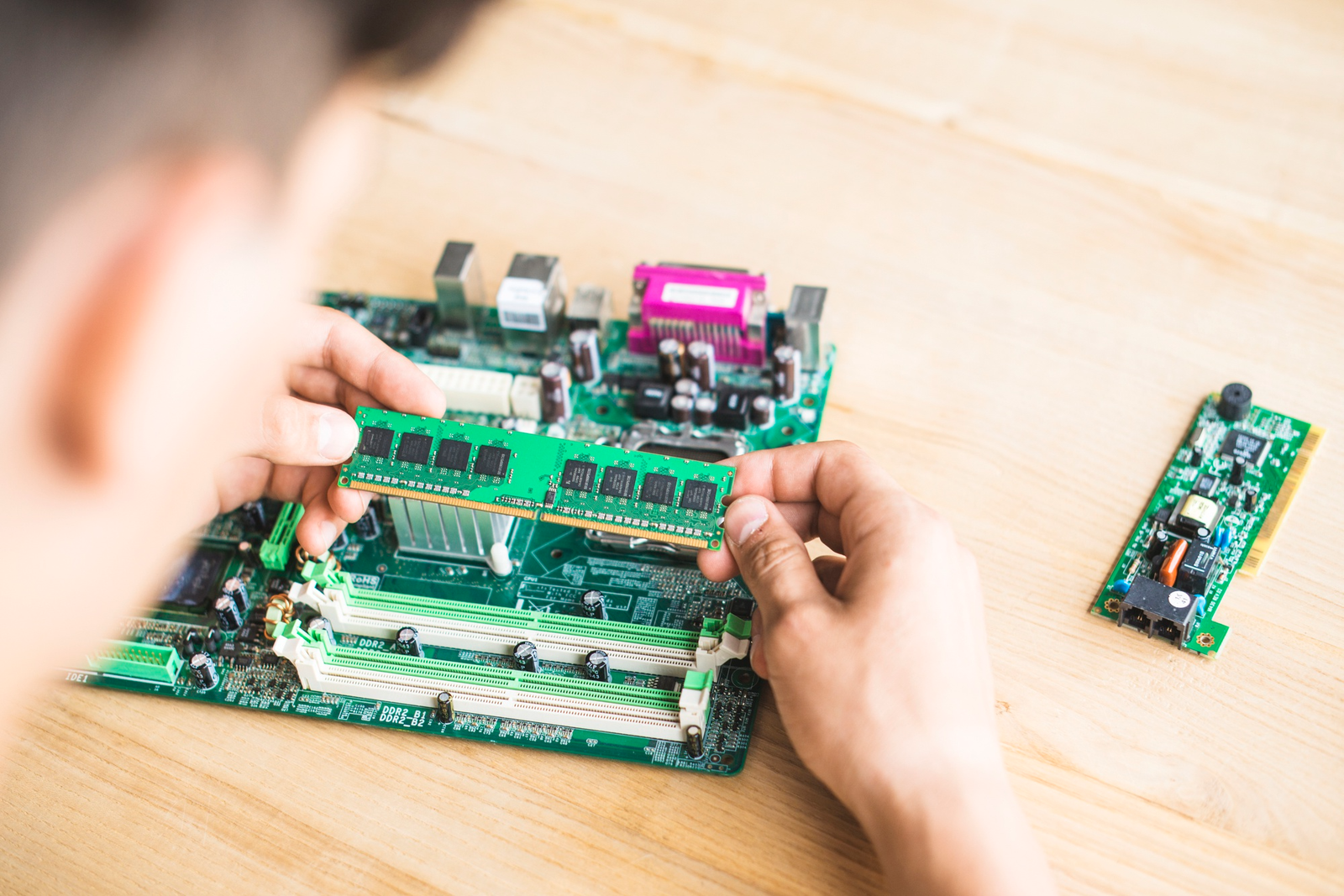
Systems may support different generations such as DDR3, DDR4, or DDR5.
Installing incompatible memory prevents systems from operating correctly.
Capacity Requirements
Each motherboard supports specific maximum memory capacities.
Planning future expansion while purchasing allows greater flexibility as business requirements grow.
Speed Ratings
Memory speed affects overall system responsiveness.
Selecting supported speeds helps maximize performance without introducing compatibility concerns.
ECC Versus Non-ECC Memory
Enterprise servers frequently require Error Correcting Code (ECC) memory for improved stability and data reliability.Desktop systems generally use non-ECC memory instead.
Supporting Large IT Infrastructure Projects
Large technology projects require careful planning from procurement through deployment.
Organizations upgrading multiple systems often benefit from suppliers capable of supporting:
- Enterprise rollouts
- Data center upgrades
- Hardware refresh projects
- Educational technology deployments
- Government infrastructure modernization
Working with experienced companies like Ram Exchange helps simplify procurement while ensuring memory solutions align with business objectives.
Inventory Consistency Makes Expansion Easier
Consistency is often overlooked during hardware procurement.
Using similar memory configurations across multiple systems simplifies:
- Maintenance
- Future upgrades
- Troubleshooting
- Performance optimization
- Inventory management
Quality Control Supports Long-Term Reliability
Memory failures can interrupt business operations and reduce productivity. Reliable suppliers place significant emphasis on quality control before products reach customers.
Strong quality assurance practices often include:
- Hardware testing
- Compatibility verification
- Product inspection
- Performance validation
- Secure packaging
These processes contribute to dependable long-term operation within enterprise environments.
Sustainability Is Becoming an Important Consideration
Many organizations are incorporating sustainability into their technology purchasing strategies. Extending the lifespan of existing hardware through compatible memory upgrades reduces electronic waste while maximizing previous infrastructure investments. Instead of replacing entire systems, businesses can often improve performance through carefully selected memory upgrades. This practical approach supports both operational efficiency and environmental responsibility.
Planning Future Growth
Technology requirements continue changing as organizations expand. When selecting memory solutions, businesses should consider future scalability rather than immediate requirements alone.
Questions worth asking include:
- Will additional capacity be required later?
- Can existing hardware support future upgrades?
- Are new workloads expected?
- Will virtualization increase?
- Are AI applications being introduced?
Planning ahead reduces future procurement challenges while supporting business continuity.
Choosing a Supplier That Understands Enterprise Needs
Every business has unique infrastructure requirements. mSome organizations require server memory for virtualization, while others focus on desktop upgrades or storage systems. Experienced suppliers understand these differences and recommend solutions that align with operational goals rather than offering one-size-fits-all recommendations. This consultative approach often produces better long-term results.
Building Long-Term Supplier Relationships
Reliable procurement extends beyond individual purchases. mDeveloping ongoing relationships with trusted suppliers provides several advantages:
- Consistent product availability
- Better technical guidance
- Simplified procurement processes
- Improved inventory planning
- Greater confidence in future expansion
Organizations frequently benefit from working with suppliers that understand their evolving infrastructure requirements.
Emerging Trends Shaping Memory Procurement
Enterprise IT continues evolving alongside new technologies. Several important trends are influencing purchasing decisions:
AI Workloads
Artificial intelligence applications demand larger memory capacities for processing increasingly complex tasks.
Virtualization Growth
Businesses continue consolidating servers while running multiple virtual environments on fewer physical machines. Higher memory capacity plays a critical role in supporting these deployments.
Cloud Infrastructure
Hybrid cloud environments require scalable hardware capable of supporting changing workloads efficiently.
Data Analytics
Organizations increasingly rely on real-time data processing, requiring memory solutions that support higher performance and responsiveness. Businesses that prepare for these developments place themselves in a stronger position for future technology adoption.
Making Smarter Procurement Decisions
Successful hardware sourcing begins with understanding business objectives rather than focusing only on individual components.
Decision-makers should evaluate:
- Product authenticity
- Compatibility expertise
- Inventory reliability
- Technical support
- Enterprise experience
- Long-term scalability
Working with knowledgeable providers helps organizations make informed purchasing decisions while reducing operational risk. Suppliers such as Ram Exchange continue supporting businesses with dependable memory solutions designed to meet evolving enterprise requirements.
Conclusion
Selecting the right RAM supplier is an important part of maintaining reliable, scalable, and efficient IT infrastructure. Businesses that prioritize product quality, technical expertise, compatibility, and dependable inventory are better positioned to support future growth while minimizing disruptions. Whether upgrading existing systems or expanding enterprise environments, partnering with an experienced provider creates long-term value and greater operational confidence. Ram Exchange is committed to helping organizations source trusted memory solutions that support their technology goals. Contact us today to learn more about finding the right RAM solutions for your evolving IT needs.