Introduction
A fuel flow sensor is an essential device used to measure the rate at which fuel moves through a fuel system. Widely used in automotive, industrial, agricultural, marine, and aviation applications, fuel flow sensors provide real-time data that helps operators monitor fuel consumption, optimize performance, and reduce operating costs. As fuel prices continue to fluctuate and businesses focus on improving efficiency, accurate fuel monitoring has become increasingly important across various industries.
Fuel flow sensors play a critical role in tracking fuel usage, detecting irregular consumption patterns, and supporting preventive maintenance programs. By delivering precise measurements of fuel flow rates, these sensors enable vehicle owners, fleet managers, equipment operators, and engineers to make informed decisions regarding fuel efficiency and operational performance. Modern fuel flow sensors can also integrate with telematics systems, engine management software, and monitoring platforms to provide comprehensive fuel usage analytics.
Whether installed in a commercial fleet, industrial generator, agricultural machine, marine vessel, or performance vehicle, a fuel flow sensor offers valuable insights that help improve fuel management and overall system efficiency.
What Is a Fuel Flow Sensor?
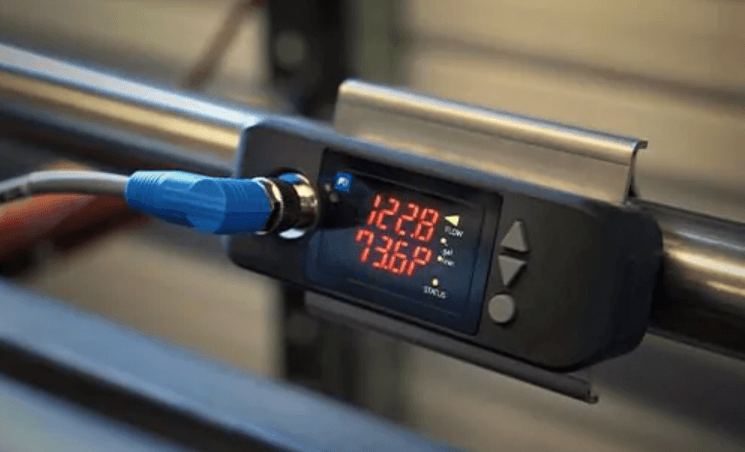
A fuel flow sensor is a measurement device designed to monitor the quantity of fuel passing through a fuel line over a specific period of time. The sensor continuously measures fuel movement and converts this information into data that can be displayed, recorded, or transmitted to monitoring systems.
Accurate fuel flow measurement allows operators to understand consumption patterns and identify opportunities for efficiency improvements.
Key Functions of a Fuel Flow Sensor
- A fuel flow sensor measures the volume or mass of fuel moving through a fuel system, providing accurate real-time consumption data for monitoring and analysis purposes.
- The sensor helps detect unusual fuel usage patterns that may indicate leaks, inefficiencies, theft, or mechanical issues within the fuel system.
- Modern sensors can communicate directly with onboard computers, fleet management software, and telematics platforms for advanced reporting and diagnostics.
- Continuous fuel monitoring supports operational efficiency by helping users make data-driven decisions regarding vehicle and equipment performance.
How Fuel Flow Sensors Work
Fuel flow sensors use various technologies to measure fuel movement within a system. The specific operating principle depends on the sensor type and intended application.
Regardless of the technology used, the primary objective is to provide accurate and reliable fuel flow data.
Basic Operating Principle
- As fuel passes through the sensor, internal components detect movement and measure the volume or mass of fuel flowing through the system.
- The sensor converts physical flow measurements into electrical signals that can be processed by displays, monitoring devices, or control systems.
- Data is transmitted in real time, allowing operators to track fuel consumption continuously during operation.
- Advanced systems can combine fuel flow data with engine performance information to provide detailed efficiency and usage reports.
Types of Fuel Flow Sensors
Several types of fuel flow sensors are available, each designed for specific operating environments and performance requirements. Selecting the appropriate sensor depends on factors such as fuel type, flow rate, accuracy requirements, and system design.
Understanding the available options helps ensure optimal performance and reliability.
Turbine Fuel Flow Sensors
- Turbine sensors use a rotating turbine wheel positioned within the fuel stream. As fuel flows through the sensor, the turbine rotates at a speed proportional to the flow rate.
- These sensors are known for their accuracy, reliability, and suitability for a wide range of fuel monitoring applications.
- Turbine flow sensors are commonly used in industrial equipment, fuel management systems, and transportation fleets.
- Their relatively simple design contributes to long-term durability and dependable performance.
Positive Displacement Sensors
- Positive displacement sensors measure fuel flow by capturing and counting specific volumes of fuel as they pass through the device.
- This technology provides highly accurate measurements even at low flow rates and varying operating conditions.
- Positive displacement sensors are often used in fuel dispensing systems and applications requiring precise consumption tracking.
- Their accuracy makes them suitable for commercial and industrial fuel monitoring environments.
Ultrasonic Fuel Flow Sensors
- Ultrasonic sensors use sound waves to measure fuel flow without requiring moving mechanical components.
- The absence of moving parts reduces wear and maintenance requirements while improving long-term reliability.
- These sensors provide highly accurate measurements and are commonly used in advanced monitoring systems.
- Ultrasonic technology is particularly beneficial in applications where minimal maintenance and high precision are important.
Mass Flow Sensors
- Mass flow sensors measure the actual mass of fuel passing through the system rather than simply measuring volume.
- This approach provides highly accurate readings regardless of temperature or density variations that may affect volumetric measurements.
- Mass flow technology is commonly used in demanding industrial, aviation, and research applications.
- Accurate mass measurements support advanced fuel management and performance optimization strategies.
Benefits of Using a Fuel Flow Sensor
Fuel flow sensors provide numerous advantages for businesses and individuals seeking greater control over fuel usage and operational efficiency.
The information generated by these devices supports better decision-making and cost management.
Improved Fuel Efficiency
- Real-time fuel consumption monitoring helps operators identify inefficient driving habits, equipment settings, or operational practices that contribute to excessive fuel usage.
- Access to accurate fuel data enables adjustments that improve overall fuel economy and reduce operating expenses.
- Ongoing monitoring supports continuous efficiency improvements across fleets, machinery, and equipment.
- Better fuel management contributes directly to long-term cost savings and resource optimization.
Reduced Operating Costs
- Fuel represents a significant operating expense for many businesses, making accurate monitoring an important cost-control strategy.
- Identifying unnecessary fuel consumption allows organizations to implement corrective measures and improve profitability.
- Early detection of fuel system inefficiencies can prevent costly repairs and unexpected downtime.
- Improved fuel accountability helps organizations better manage budgets and operational planning.
Theft and Leak Detection
- Fuel flow sensors help identify discrepancies between expected and actual fuel consumption that may indicate theft, leakage, or unauthorized usage.
- Continuous monitoring provides greater visibility into fuel inventory and consumption patterns across vehicles and equipment.
- Early detection helps minimize financial losses and supports stronger fuel management controls.
- Accurate records can assist with investigations and operational audits when irregularities occur.
See also: Customise Tote Bag: Create a Unique and Practical Accessory for Every Occasion
Applications of Fuel Flow Sensors
Fuel flow sensors are used across numerous industries where accurate fuel measurement is essential for operational efficiency and performance monitoring.
Their versatility makes them valuable in both small-scale and large-scale applications.
Commercial Vehicle Fleets
- Fleet operators use fuel flow sensors to monitor fuel consumption across multiple vehicles and identify opportunities for efficiency improvements.
- Accurate fuel data supports route optimization, driver training programs, and cost reduction initiatives.
- Integrated telematics systems provide centralized visibility into fleet fuel performance.
- Enhanced monitoring contributes to better fleet management and operational efficiency.
Industrial Equipment
- Generators, pumps, compressors, and other industrial machinery rely on fuel flow sensors to monitor consumption and maintain efficient operation.
- Fuel monitoring helps facility managers track operating costs and optimize equipment performance.
- Real-time data supports maintenance planning and operational decision-making.
- Improved fuel management contributes to greater reliability and productivity.
Agriculture and Construction
- Tractors, harvesters, excavators, and construction machinery often operate under demanding conditions where fuel costs represent a significant expense.
- Fuel flow sensors help operators monitor equipment performance and identify opportunities to reduce fuel consumption.
- Accurate usage data supports project budgeting and equipment utilization analysis.
- Enhanced monitoring contributes to improved operational efficiency in the field.
Marine and Aviation Applications
- Boats, ships, and aircraft depend on precise fuel monitoring to ensure operational safety, efficiency, and compliance with performance requirements.
- Fuel flow sensors provide critical information for voyage planning, range estimation, and operational management.
- Accurate measurements support safe and efficient operation in demanding transportation environments.
- Reliable fuel data contributes to improved performance and resource management.
Integration with Modern Monitoring Systems
Today’s fuel flow sensors often integrate with advanced monitoring and management platforms that provide enhanced visibility and reporting capabilities.
These integrations enable more sophisticated fuel management strategies.
Smart Monitoring Features
- Telematics systems combine fuel flow data with GPS tracking, engine diagnostics, and operational metrics to provide comprehensive performance insights.
- Cloud-based monitoring platforms allow managers to access real-time fuel information from virtually any location.
- Automated reporting tools help organizations track trends, analyze efficiency, and identify areas for improvement.
- Data-driven decision-making supports ongoing operational optimization and cost control initiatives.
Choosing the Right Fuel Flow Sensor
Selecting the appropriate fuel flow sensor requires careful consideration of system requirements, operating conditions, and performance objectives.
The right sensor ensures reliable measurements and long-term value.
Factors to Consider
- Evaluate the type of fuel being monitored, including diesel, gasoline, biodiesel, aviation fuel, or alternative fuel types.
- Consider required flow ranges, measurement accuracy, operating temperatures, and pressure conditions when selecting a sensor.
- Ensure compatibility with existing monitoring systems, control equipment, and communication protocols.
- Choose products from reputable manufacturers known for quality, reliability, and technical support.
Maintenance and Calibration
Proper maintenance helps ensure fuel flow sensors continue delivering accurate and reliable performance throughout their service life.
Regular inspections and calibration support optimal operation.
Maintenance Best Practices
- Inspect sensors periodically for contamination, wear, or damage that could affect measurement accuracy.
- Follow manufacturer recommendations regarding cleaning, calibration, and maintenance schedules.
- Verify system performance regularly to ensure data remains accurate and reliable.
- Address any operational issues promptly to prevent inaccurate readings and potential fuel management problems.
Conclusion
Fuel flow sensors are essential tools for accurately monitoring fuel consumption, improving efficiency, and reducing operating costs across a wide range of industries. By providing real-time fuel usage data, these devices help businesses and operators make informed decisions that enhance performance, minimize waste, and strengthen fuel management practices.
From commercial vehicle fleets and industrial machinery to agricultural equipment, marine vessels, and aviation applications, fuel flow sensors offer valuable insights that support operational success. Their ability to detect inefficiencies, monitor consumption, and integrate with modern management systems makes them a critical component of effective fuel monitoring strategies.
Investing in a high-quality fuel flow sensor can deliver significant long-term benefits through improved efficiency, better cost control, and enhanced operational visibility, helping organizations maximize performance while reducing fuel-related expenses.