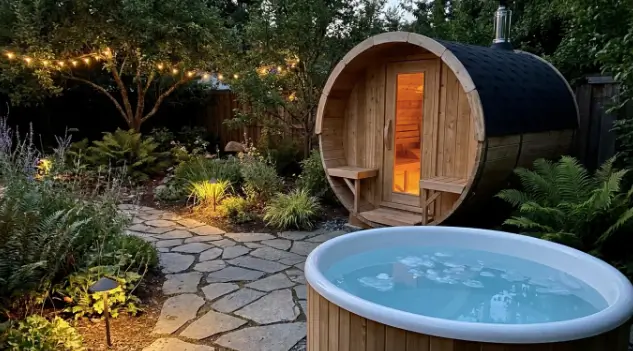
sauna kit that gets basic care routinely outlasts one that does not by a wide margin: expect 15 to 20 years from the wood structure with consistent maintenance versus far less if moisture, rock buildup, and hardware wear go unaddressed. The core routine is simple and takes minutes per session, not hours per month: wipe benches after use, air the cabin out with the door open, rinse or replace heater rocks on schedule, and check the exterior seal on outdoor units once or twice a year. Most premature kit failures trace back to skipping one of these basics for months at a stretch rather than to any flaw in the kit itself.
What Does a Basic Maintenance Routine Look Like?
After each session, wipe down benches and walls with a cloth and plain water, no soap or cleaning chemicals, since interior wood is meant to stay untreated and porous. Leave the door open for at least twenty minutes afterward so trapped humidity can escape rather than sitting against the wood, which is the single biggest driver of long-term warping and mildew risk in a poorly ventilated kit. Sweep or vacuum the floor periodically to clear dust and skin residue. None of this takes more than a few minutes, and skipping it for a week or two occasionally is not a problem, but skipping it for months at a time is where wood damage starts to accumulate.
How Should You Care for the Wood Between Sessions?
Interior sauna wood, whether cedar or heat-treated hemlock, should never be stained, painted, or sealed on the inside. Both species are chosen specifically because they tolerate repeated heat and moisture cycles without warping much on their own, and any coating applied to the interior can off-gas when the cabin heats up, which defeats the purpose of using a natural wood species in the first place. A light sanding with fine-grit paper once or twice a year on bench surfaces removes any buildup that plain wiping leaves behind and keeps the wood feeling smooth rather than rough underneath bare skin. Check corners and joints periodically for any darkening that might signal moisture getting trapped rather than evaporating, since that is usually a ventilation issue rather than a wood-quality issue.
When Do the Heater Rocks Need Replacing?
Heater rocks absorb repeated thermal cycling and gradually crack, crumble, or fuse together into a solid mass that restricts airflow through the heating element. Most manufacturers recommend a full rock replacement every 6 to 12 months for regular users, and rinsing the rocks with water every couple of months in between to clear mineral dust helps extend that window. Fused or heavily cracked rocks are not just a performance issue, they can also reduce the heater’s efficiency enough that it runs longer to hit target temperature, which shortens the heating element’s working life. Rock replacement bags are inexpensive relative to a heater replacement, so this is one of the cheapest maintenance items on the list relative to what skipping it eventually costs.
How Often Should Exterior Wood Be Resealed or Restained?
Outdoor kits face rain, UV exposure, and temperature swings that indoor units never see, and the exterior siding is the one surface where a breathable wood sealant or stain actually helps rather than hurts. Depending on climate and sun exposure, most exterior cedar benefits from resealing every 1 to 3 years, sooner in a harsher climate with heavy sun or snow load. Watch for graying or a rough, splintery texture on the exterior as the signal that the current coat has worn through, rather than sticking to a fixed calendar that may not match actual weather exposure at a specific site.
What Hardware and Seals Need Periodic Checks?
Door hinges, latches, and any weatherstripping around the door should get a quick check every few months, since these are the components that see the most physical wear from repeated opening and closing. A door that no longer seals fully lets heat escape and forces the heater to run longer to compensate. Replacement hardware and seals matched to the original kit hold up better than generic substitutes, and buyers who bought through a retailer stocking parts sized to their specific model, including the range of SweatDecks sauna kits, generally have an easier time finding a correctly sized replacement gasket or hinge than sourcing one from a generic hardware store.
Why Does Keeping It Running Matter More Than People Think?
Maintenance is not just about protecting the investment, it is also what keeps a sauna in a condition where it actually gets used consistently, and consistency is the variable most associated with the benefits reported in the sauna research literature. A widely cited Finnish cohort study found lower cardiovascular event rates among men who used a sauna four to seven times a week compared with once a week, an association summarized in a 2018 review in Mayo Clinic Proceedings, and a separate systematic review in Evidence-Based Complementary and Alternative Medicine reported similar patterns around regular use. These are population-level associations, not proof that any one person’s risk changes, but they do underline a practical point: a kit that smells musty from trapped moisture or heats unevenly from worn-out rocks is a kit people stop using, which forfeits whatever benefit consistent use might offer regardless of what the underlying research shows.
What Maintenance Mistakes Shorten a Kit’s Lifespan?
The most common mistake is closing the door immediately after a session instead of airing it out, which traps humidity against interior wood day after day. A close second is letting heater rocks go a year or more without any attention, which both hurts heating efficiency and increases wear on the element. Using cleaning chemicals or soap on interior benches, rather than plain water, is a smaller but real mistake, since residue can off-gas at high temperature. None of these mistakes are expensive to avoid, they just require treating the short after-session routine as non-negotiable rather than optional.
Frequently Asked Questions
How often should sauna heater rocks be replaced? Every 6 to 12 months with regular use, sooner if they crack, crumble, or fuse together and restrict airflow.
Should you stain or seal the inside of a sauna kit? No. Interior wood should stay bare. Exterior siding on outdoor kits is the surface that benefits from a breathable sealant or stain.
How do you clean sauna benches between uses? Wipe with a cloth and plain water after each session, then leave the door open to air the cabin out.
How long should a well-maintained sauna kit last? Commonly 15 to 20 years for the wood structure, though the heater itself often needs replacement sooner, around 8 to 12 years.
References
- Cardiovascular and Other Health Benefits of Sauna Bathing: A Review of the Evidence, Mayo Clinic Proceedings, 2018
- Clinical Effects of Regular Dry Sauna Bathing: A Systematic Review, Evidence-Based Complementary and Alternative Medicine, 2018
- Does the Combination of Finnish Sauna Bathing and Other Lifestyle Factors Confer Additional Health Benefits? A Review of the Evidence, Mayo Clinic Proceedings, 2023
By Greg Sandoval