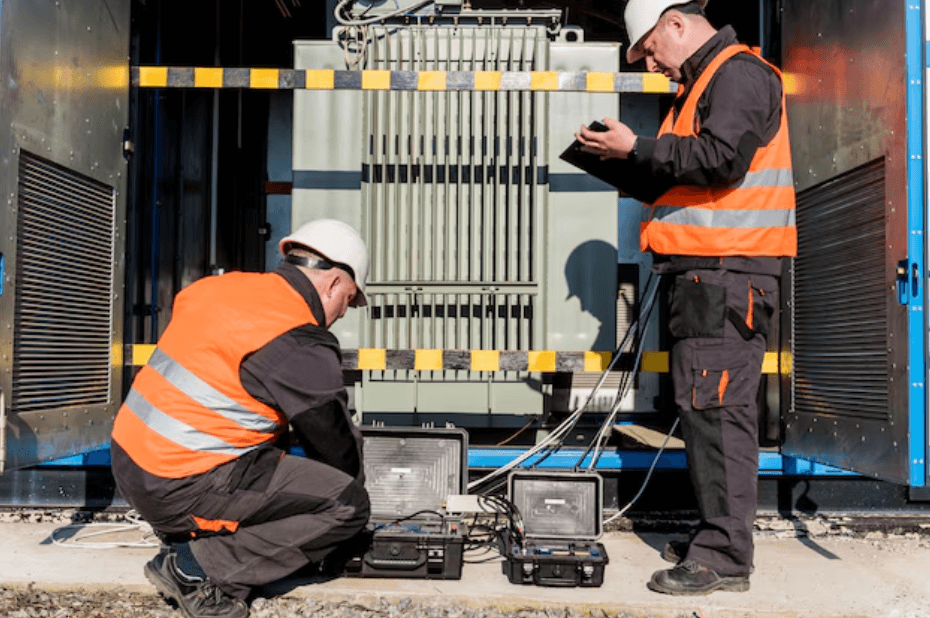
Every modern facility depends on electrical systems to support daily operations. From lighting and climate control to technology infrastructure and essential equipment, reliable power plays a critical role in keeping businesses productive and efficient. As facilities continue to become more advanced, organizations are placing greater emphasis on preventive measures that help support safety, operational continuity, and long-term performance.
One important aspect of facility management involves electrical safety inspections, which help organizations evaluate system conditions and maintain awareness of potential concerns. Businesses today recognize that proactive monitoring and maintenance contribute significantly to creating environments where employees, customers, and visitors can feel secure.
As workplace expectations evolve and facilities become increasingly dependent on electrical infrastructure, organizations are prioritizing strategies that help protect both people and property. This growing focus has made facility safety and system reliability some of the most important topics in modern building management.
The Growing Importance of Infrastructure Reliability
Reliable infrastructure serves as the foundation of successful facility operations. Every organization depends on systems that function efficiently and consistently to support everyday activities.
When building systems operate as expected, businesses can focus on serving customers, supporting employees, and achieving organizational goals. Reliable infrastructure also contributes to workplace confidence by reducing uncertainty and helping facilities maintain smooth operations.
Organizations that prioritize system awareness often position themselves for greater long-term stability and success.
Benefits of Reliable Facility Systems
- Supports uninterrupted daily operations.
- Creates confidence among employees and visitors.
- Enhances overall workplace functionality.
- Contributes to organizational efficiency.
- Promotes a professional environment.
- Supports long-term facility performance.
These advantages demonstrate why infrastructure reliability remains a major priority across industries.
Why Preventive Facility Management Matters
Facility management has evolved beyond simply responding to issues as they arise. Today’s organizations increasingly focus on prevention, planning, and continuous improvement.
Preventive approaches help identify potential concerns before they affect operations. By addressing issues early, businesses can maintain smoother workflows and support stronger workplace environments.
This proactive mindset has become a key component of successful facility management strategies because it encourages ongoing evaluation and informed decision-making.
Organizations that invest in prevention often experience greater operational confidence and improved long-term performance.
Understanding the Role of Facility Assessments
Facility assessments provide valuable insight into building conditions and system performance. They allow organizations to better understand how different components contribute to overall operations.
Regular evaluations help support informed planning while encouraging continuous improvement across facility management programs. Assessments can also help identify opportunities to enhance efficiency, safety, and operational effectiveness.
Businesses increasingly recognize the value of maintaining visibility into critical systems as part of broader facility management efforts.
Key Benefits of Routine Assessments
- Encourages proactive planning and preparation.
- Supports operational awareness and visibility.
- Helps identify areas for improvement.
- Contributes to safer working environments.
- Strengthens facility management strategies.
- Supports long-term organizational goals.
These benefits highlight the importance of maintaining awareness across all major building systems.
See also: Why Choosing the Right Custom Glass Company Can Transform Modern Spaces
Workplace Safety as a Business Priority
Safety remains one of the most important responsibilities for any organization. Employees, visitors, and stakeholders all expect facilities to provide secure and well-managed environments.
Organizations that prioritize safety often build stronger workplace cultures because employees feel valued and supported. Safe environments encourage productivity while contributing to positive experiences throughout the facility.
Modern businesses understand that safety is not limited to policies and procedures. It also involves maintaining the systems and infrastructure that support daily operations.
A commitment to workplace safety reflects a commitment to organizational excellence.
Creating Confidence Through Preparedness
Preparedness plays an essential role in effective facility management. Businesses that plan ahead are often better equipped to address challenges while maintaining operational continuity.
Preparation involves understanding facility systems, establishing clear procedures, and creating strategies that support long-term success. These efforts help reduce uncertainty while providing greater confidence in daily operations.
Organizations that embrace preparedness often develop stronger operational resilience and improved workplace stability.
Elements of Effective Preparedness
- Regular evaluation of facility systems.
- Ongoing employee awareness initiatives.
- Clear communication processes.
- Proactive maintenance planning.
- Continuous improvement efforts.
- Commitment to workplace protection.
Together, these elements help create more secure and reliable environments.
The Connection Between Safety and Productivity
A well-maintained facility contributes directly to employee productivity and workplace satisfaction. When employees feel comfortable and secure, they are often more focused and engaged in their responsibilities.
Reliable systems support efficient workflows by reducing unnecessary disruptions and helping employees perform their work with confidence.
Organizations that invest in facility management frequently discover that safety initiatives contribute to broader business objectives, including employee satisfaction and operational effectiveness.
Creating a safe environment supports both people and performance.
Technology’s Impact on Modern Facility Management
Technology continues to transform the way organizations manage and maintain their facilities. Advanced monitoring systems, digital reporting tools, and data-driven insights help facility managers make more informed decisions.
Modern technology improves visibility into building performance while supporting proactive planning and resource management.
As facilities become increasingly sophisticated, technology plays a larger role in helping organizations maintain efficient, reliable, and secure environments.
Businesses that embrace innovation often gain valuable advantages in facility management and operational planning.
Building Strong Facility Management Strategies
Successful organizations understand that facility management requires a comprehensive approach. Effective strategies consider everything from daily operations to long-term planning and risk management.
By focusing on infrastructure awareness, maintenance, and preparedness, businesses can create environments that support productivity and organizational success.
At Facility Network, we understand the importance of helping organizations maintain reliable and efficient facilities. Strong management strategies provide the foundation for safer workplaces and more consistent operational performance.
Organizations that invest in comprehensive planning often achieve stronger outcomes and greater operational confidence.
Components of an Effective Facility Strategy
- Ongoing facility evaluations and reviews.
- Clear maintenance and operational procedures.
- Strong communication among stakeholders.
- Focus on workplace safety and reliability.
- Continuous improvement initiatives.
- Long-term planning and resource management.
These components help create facilities that are prepared to support evolving business needs.
Supporting Long-Term Operational Success
Long-term success depends on maintaining environments that support people, processes, and organizational objectives. Facility systems play a major role in achieving these goals.
Organizations that prioritize system awareness often experience greater operational stability because they remain focused on maintaining reliable infrastructure.
This commitment helps support business continuity while creating environments where employees and visitors can thrive.
Strong facility management practices contribute to sustainable organizational growth and performance.
Emerging Trends in Facility Protection
As workplace expectations continue to evolve, facility protection strategies are adapting to meet new challenges and opportunities. Businesses are increasingly focused on creating resilient environments that support flexibility and preparedness.
Data-driven decision-making, integrated technologies, and proactive management approaches continue shaping the future of facility operations.
Organizations that remain adaptable and forward-thinking are better positioned to navigate change while maintaining safe and efficient environments.
The future of facility management will continue emphasizing reliability, awareness, and continuous improvement.
Trends Influencing Modern Facilities
- Greater emphasis on preventive planning.
- Increased use of monitoring technologies.
- Enhanced workplace safety initiatives.
- Stronger focus on operational resilience.
- Improved facility performance tracking.
- Continued investment in infrastructure awareness.
These trends reflect the growing importance of proactive facility management.
Strengthening Organizational Confidence
Organizations thrive when employees, customers, and stakeholders have confidence in the environments where they work and interact. Reliable systems contribute significantly to this confidence by supporting consistency and stability.
Facility management efforts that prioritize awareness, preparation, and continuous improvement help create positive experiences while supporting organizational objectives.
A strong commitment to maintaining facility systems reflects an organization’s dedication to quality, professionalism, and long-term success.
This approach benefits everyone who relies on the facility each day.
Conclusion
Modern facilities depend on reliable infrastructure, proactive planning, and a commitment to workplace safety. By focusing on system awareness, preparedness, and continuous improvement, organizations can create environments that support operational success while enhancing employee and visitor confidence.
At Facility Network, we are committed to helping businesses strengthen their facility management strategies through professional expertise and comprehensive support. If your organization is looking to improve facility reliability, enhance workplace protection, and support long-term operational success, contact us today. Our team is ready to help you build a safer, more efficient, and future-ready environment.