Introduction
Ventilation duct systems play a critical role in maintaining healthy indoor environments by distributing fresh air and removing stale, contaminated, or conditioned air throughout residential, commercial, and industrial buildings. Whether installed as part of a heating, ventilation, and air conditioning (HVAC) system or used for specialised exhaust applications, ventilation ducts help regulate airflow, improve indoor air quality, and support occupant comfort. Properly designed and maintained ductwork ensures that air is delivered efficiently to different areas of a building while helping HVAC systems operate at peak performance.
As modern buildings become more energy-efficient and tightly sealed, effective ventilation has become increasingly important. Without adequate airflow, indoor spaces can accumulate dust, allergens, moisture, odours, and airborne pollutants that negatively impact health and comfort. Ventilation duct systems help address these challenges by facilitating consistent air circulation and maintaining balanced indoor conditions. From homes and offices to factories and healthcare facilities, well-designed ventilation ductwork is essential for creating safe, comfortable, and productive environments.
Understanding how ventilation ducts work, their benefits, and the different types available can help property owners make informed decisions when designing, upgrading, or maintaining ventilation systems.
What is a Ventilation Duct?
A ventilation duct is a passage or channel used to transport air from one location to another within a building. Ductwork forms the backbone of many ventilation and HVAC systems, enabling conditioned air, fresh air, or exhaust air to move efficiently throughout the structure.
Ventilation ducts can be installed in ceilings, walls, floors, roof spaces, and service areas depending on the building design and system requirements. Proper duct sizing and layout are essential for achieving optimal airflow and energy efficiency.
See also: Elevate Your Home with Modern Glass Bathroom Design Trends
Main Functions of Ventilation Ducts
- Ventilation ducts distribute fresh and conditioned air throughout a building, helping maintain consistent indoor temperatures and comfortable living or working conditions. Effective air distribution supports occupant comfort year-round.
- Duct systems remove stale air, moisture, smoke, fumes, and airborne contaminants from indoor spaces. This process helps improve indoor air quality and reduces the buildup of pollutants.
- Properly designed ductwork supports HVAC efficiency by ensuring air reaches intended areas with minimal resistance and energy loss. Balanced airflow contributes to lower operating costs.
- Ventilation ducts help control humidity levels within buildings, reducing the risk of mould growth, condensation, and moisture-related structural damage.
Importance of Ventilation Duct Systems
Ventilation is essential for maintaining a healthy indoor environment. Without adequate airflow, buildings can experience poor air quality, unpleasant odours, excessive humidity, and increased concentrations of airborne contaminants.
A well-designed ventilation duct system helps ensure a constant supply of fresh air while supporting efficient operation of heating and cooling equipment.
Benefits of Proper Ventilation
- Improved indoor air quality helps reduce exposure to dust, allergens, pollutants, and airborne particles. This can create a healthier environment for occupants and support overall wellbeing.
- Consistent airflow helps regulate indoor temperatures and eliminate hot or cold spots throughout the building. Improved comfort contributes to a more enjoyable living or working environment.
- Proper ventilation helps manage moisture levels and reduces the likelihood of mould growth, which can negatively affect both building materials and occupant health.
- Efficient airflow supports HVAC performance by reducing strain on equipment and helping systems operate more effectively over time.
Types of Ventilation Ducts
Different types of ventilation ducts are used depending on the building’s requirements, available space, airflow demands, and environmental conditions. Selecting the right duct type is essential for achieving efficient system performance.
Each type of ductwork offers specific advantages for different applications.
Flexible Ducts
- Flexible ducts are lightweight and easy to install, making them a popular choice for residential ventilation systems. Their flexibility allows installers to navigate around obstacles and fit into tight spaces.
- These ducts are often used for short duct runs where rigid ductwork may be difficult to install. Proper installation is important to minimise airflow resistance and maintain efficiency.
- Flexible ducts are typically insulated to reduce heat loss and prevent condensation within the system. This helps improve overall performance and energy efficiency.
- Cost-effective and versatile, flexible ducts are commonly used in residential HVAC systems, bathroom exhaust systems, and ceiling ventilation applications.
Rigid Metal Ducts
- Rigid metal ducts are highly durable and provide excellent airflow performance due to their smooth internal surfaces. Reduced friction allows air to move more efficiently through the system.
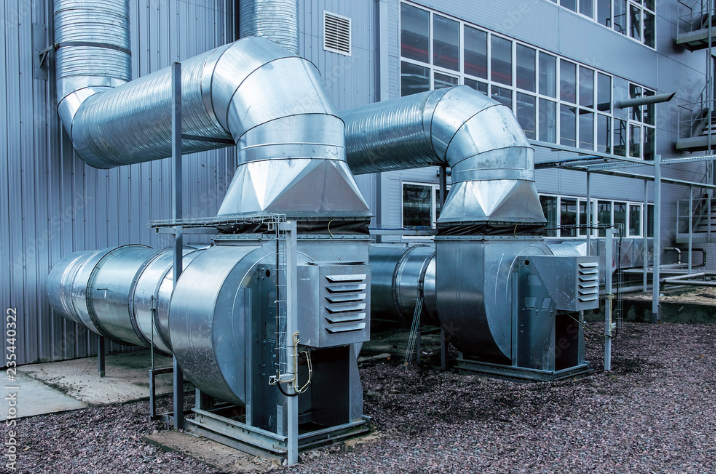
- These ducts are commonly manufactured from galvanised steel or aluminium and are widely used in commercial and industrial ventilation applications.
- Rigid ductwork is less susceptible to damage and deformation compared to flexible alternatives, making it a long-lasting solution for demanding environments.
- Their durability and airflow efficiency make rigid ducts ideal for large HVAC systems where performance and reliability are priorities.
Fibreglass Duct Boards
- Fibreglass duct systems combine insulation and air distribution into a single product, helping improve thermal performance and reduce noise transmission.
- These ducts are commonly used in commercial buildings where acoustic control is important. The insulated construction helps maintain air temperature throughout the duct system.
- Fibreglass ducts can contribute to improved energy efficiency by minimising heat transfer and reducing HVAC system workload.
- Proper maintenance is important to ensure the duct material remains clean and free from damage that could affect air quality.
Applications of Ventilation Duct Systems
Ventilation ductwork is used across a wide range of industries and building types. Different applications require specific duct designs to meet airflow, safety, and environmental requirements.
Understanding these applications highlights the versatility of modern ventilation systems.
Residential Ventilation
- Residential ventilation ducts distribute heated and cooled air throughout homes while supporting fresh air exchange and indoor comfort. Proper airflow helps maintain healthy living environments.
- Bathroom and kitchen exhaust ducts remove moisture, odours, and airborne contaminants, reducing the risk of mould growth and improving indoor air quality.
- Whole-house ventilation systems rely on ductwork to provide balanced airflow and improve energy efficiency. Consistent ventilation contributes to healthier indoor conditions.
- Modern homes often incorporate ducted ventilation systems to meet energy efficiency standards and support occupant comfort year-round.
Commercial Buildings
- Offices, retail centres, educational facilities, and hospitality venues depend on ventilation ducts to maintain comfortable indoor conditions for occupants and visitors.
- Commercial HVAC systems use extensive duct networks to distribute conditioned air across large areas while maintaining consistent temperature control.
- Effective ventilation supports employee productivity and customer satisfaction by improving air quality and thermal comfort.
- Properly designed duct systems help businesses meet building regulations and workplace health requirements while reducing energy consumption.
Industrial Facilities
- Industrial ventilation systems remove dust, fumes, smoke, and airborne contaminants generated during manufacturing and processing activities.
- Specialised ductwork is designed to handle high temperatures, corrosive substances, and large air volumes commonly encountered in industrial environments.
- Effective ventilation helps protect worker health and supports compliance with occupational safety regulations.
- Industrial duct systems contribute to equipment performance by controlling environmental conditions and maintaining clean operating environments.
Energy Efficiency and Ventilation Ducts
Energy efficiency is a major consideration in modern building design, and ventilation duct systems play an important role in overall HVAC performance. Poorly designed or damaged ductwork can result in significant energy losses and increased operating costs.
Proper installation and maintenance help maximise efficiency while reducing energy consumption.
Ways Duct Systems Improve Efficiency
- Well-sealed ducts prevent conditioned air from leaking into unoccupied spaces such as roof cavities and wall voids. Reduced air leakage improves HVAC effectiveness and lowers energy costs.
- Proper insulation helps maintain air temperature as it travels through the duct system. This reduces heating and cooling losses while improving comfort.
- Correct duct sizing ensures adequate airflow without placing unnecessary strain on HVAC equipment. Balanced airflow contributes to efficient system operation.
- Routine inspections and maintenance help identify issues such as leaks, blockages, or damaged components that may reduce performance over time.
Common Ventilation Duct Problems
Like any building system, ventilation ducts can develop issues that impact airflow, indoor air quality, and energy efficiency. Early identification and maintenance can help prevent costly repairs and performance problems.
Regular inspections are essential for maintaining system reliability.
Typical Ductwork Issues
- Air leaks are one of the most common duct problems and can significantly reduce system efficiency. Escaping air forces HVAC equipment to work harder to achieve desired temperatures.
- Dust and debris accumulation within ducts can restrict airflow and negatively affect indoor air quality. Professional cleaning helps maintain system performance.
- Poorly designed duct layouts may create uneven airflow and temperature imbalances throughout the building. Proper design and balancing improve comfort.
- Damaged insulation can lead to heat gain, heat loss, and condensation issues. Replacing compromised insulation helps restore system efficiency.
Ventilation Duct Maintenance
Routine maintenance is essential for ensuring ventilation duct systems continue to operate efficiently and provide healthy indoor air quality. Preventative care helps extend system lifespan while reducing the risk of costly repairs.
Professional inspections and servicing can identify potential issues before they become major problems.
Maintenance Best Practices
- Schedule regular duct inspections to identify leaks, damage, and airflow restrictions. Early intervention helps prevent performance issues and energy waste.
- Professional duct cleaning removes accumulated dust, allergens, and contaminants that may affect air quality and system efficiency.
- Check insulation and sealing materials periodically to ensure ducts remain properly protected against energy losses and moisture-related issues.
- Monitor HVAC system performance and address unusual airflow patterns or temperature inconsistencies promptly to maintain optimal operation.
Choosing a Professional Ventilation Duct Contractor
The quality of duct design and installation directly affects ventilation performance, energy efficiency, and indoor comfort. Working with experienced ventilation specialists helps ensure the system meets the needs of the building and its occupants.
Professional contractors can provide customised solutions for both new installations and upgrades.
What to Look For
- Choose a contractor with experience in residential, commercial, or industrial ventilation systems relevant to your project. Industry expertise contributes to better outcomes.
- Ensure the company follows recognised industry standards and building regulations when designing and installing ductwork systems.
- Review previous projects and client testimonials to assess workmanship quality and reliability. A proven track record demonstrates capability.
- Select a contractor that provides detailed assessments, transparent pricing, and ongoing support to help maintain long-term system performance.
Conclusion
Ventilation duct systems are essential components of modern buildings, providing the airflow necessary to maintain indoor air quality, comfort, and energy efficiency. From distributing conditioned air and removing contaminants to controlling humidity and supporting HVAC performance, ductwork plays a critical role in creating healthy indoor environments.
Whether used in residential homes, commercial buildings, or industrial facilities, properly designed and maintained ventilation ducts help ensure consistent airflow and reliable system operation. Investing in quality ductwork, professional installation, and routine maintenance can improve indoor comfort, reduce energy costs, and extend the lifespan of ventilation equipment.
By understanding the importance of ventilation ducts and working with experienced professionals, property owners can create safer, healthier, and more efficient indoor spaces for years to come.